

On this page · 6 sections
- Why You Actually Need a Mentor (And It's Not What You Think)
- What a good mentor actually does:
- The Problem: Everyone's a "Startup Mentor" Now
- Here's what's happening:
- Here's What Actually Matters When Finding a Mentor
- 1. They've Actually Built Something (And Probably Failed Too)
- 2. They Know Your Industry (Not Just "Business")
- 3. They'll Actually Show Up
- 4. Your Communication Styles Click
- 5. They've Done What You Want to Do
- 6. They Have the Network You Need
- 7. They Share Your Values
- 8. They Give You Honest Feedback (Even When It Stings)
- Where to Actually Find These Mentors in India
- Bizowl: For Founders Who Want Real Entrepreneurial Experience
- MAARG: The Government's Free Mentorship Platform
- Sayuj: STPI's AI-Powered Networking & Resource Discovery Platform
- Expertbells: When You Need Targeted, Paid Expertise
- Topmate: Quick Answers When You Need Them Fast
- Unstop: For Student Founders and Early Career Entrepreneurs
- So Which Platform Should You Actually Use?
- Final Thought: Stop Looking for Perfect, Start Building Relationships
Look, starting a business is tough. Really tough. You're going to make a hundred decisions every week product features, pricing, hiring your first employee, whether to pivot or push through. And honestly? Most of us have no clue if we're making the right call.
That's where mentorship comes in. Not the LinkedIn influencer kind who posts motivational quotes. I'm talking about real mentors people who've been in the trenches, made mistakes, learned from them, and are willing to share what actually works.
Why You Actually Need a Mentor (And It's Not What You Think)
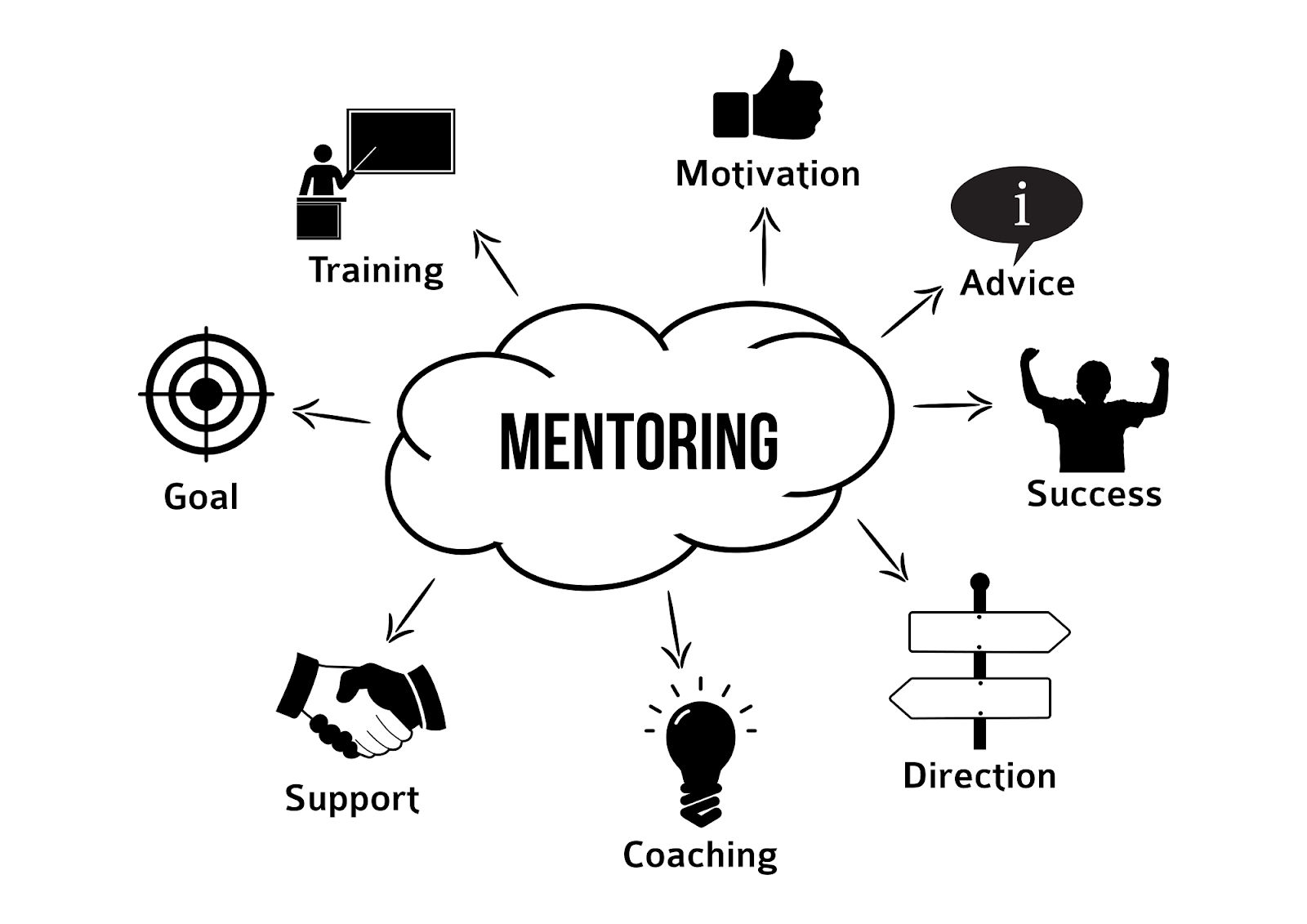
Here's the thing the startup graveyard isn't filled with bad ideas. It's filled with decent ideas that were executed poorly, at the wrong time, or by founders who didn't know what they didn't know.
What a good mentor actually does:
They've Already Made the Expensive Mistakes: Ever burned ₹5 lakhs on a marketing campaign that flopped? Or hired someone who seemed perfect but turned out to be completely wrong? Your mentor probably has. And they'll tell you exactly how to avoid it.
They Open Doors You Didn't Know Existed: Need an intro to an investor? Looking for your first enterprise client? The right mentor doesn't just give advice they make introductions that take you months or years to build on your own.
They Call Out Your BS: Friends and family will cheer you on. Employees won't always tell you the hard truth. A good mentor? They'll tell you when your idea sucks, when you're chasing the wrong metrics, or when you need to pivot. And you need that honesty.
They Keep You Sane: Building a startup is emotionally exhausting. Some days you'll feel like a genius. Other days you'll want to quit. Having someone who's been through it and can say "yeah, I felt that way too, and here's what I did" is invaluable.
The Problem: Everyone's a "Startup Mentor" Now

Okay, let's talk about the elephant in the room. The Indian startup ecosystem is booming, and suddenly everyone and their uncle is a "startup mentor" or "business advisor."
Here's what's happening:
The Corporate-Employee-Turned-Mentor: You'll find tons of people who've worked at Google, Amazon, or some big company for 10 years and now they're offering startup mentorship. But here's the thing working in a stable corporate job with resources, processes, and a salary is completely different from building something from zero. They've never dealt with existential cash flow problems, made payroll when the bank account is almost empty, or pivoted a product three times. Their advice? Often theoretical and disconnected from startup reality.
The Framework Warriors: Some mentors love frameworks. They'll talk about OKRs, North Star metrics, growth hacking funnels all good stuff. But when your co-founder wants to quit, or your biggest client just churned, or you're deciding whether to shut down or keep going, frameworks don't help. Experience does.
The Random Matcher Problem: Many platforms just match you with whoever's available. They don't care if the mentor understands your industry, your stage, or your specific challenges. So you end up on a call with someone who built a B2B SaaS company giving advice on your D2C fashion brand. Waste of time.
The Badge Collectors: Some "mentors" want the title for their LinkedIn profile or to feel important. They'll do one call, give generic advice ("focus on customer acquisition!"), and disappear. No follow-through, no real support.
The Credential Trap: Just because someone has IIT-IIM on their resume doesn't mean they can mentor your startup. What matters is: have they actually built something? Have they failed? Have they learned? Degrees are great, but they're not the same as battle scars.
This mess makes it really hard to find genuine mentors who actually care about your success and have the experience to guide you properly.
Here's What Actually Matters When Finding a Mentor

Before you start cold-emailing random people on LinkedIn, get clear on what you need. Not all mentors are equal, and the wrong match will waste everyone's time.
1. They've Actually Built Something (And Probably Failed Too)
This is THE most important thing. Your mentor should have founder or early-stage startup experience. Preferably, they should have failed at least once.
Why? Because failure teaches you things success never will. Someone who's shut down a startup knows about running out of money, dealing with co-founder conflicts, and making tough calls when everything's falling apart. That's the wisdom you need.
When you're talking to potential mentors, ask:
- Have you founded or co-founded a company?
- What didn't work? What mistakes did you make?
- What would you do differently?
If they can't answer these honestly, they're probably not the right fit. The best mentors don't brag about wins they share lessons from losses.
2. They Know Your Industry (Not Just "Business")
A mentor who built a fintech company can help you navigate RBI regulations, banking partnerships, and compliance. A mentor who built a D2C brand understands supply chain issues, CAC:LTV ratios for consumer products, and Instagram marketing.
Generic business advice is everywhere. What you need is specific, industry-relevant guidance. Find someone who's been in your space.
3. They'll Actually Show Up
Mentorship isn't a one-time call. It's an ongoing relationship. You need someone who'll commit to regular check-ins monthly or quarterly and who'll actually respond when you're dealing with something urgent.
Red flags:
- Takes weeks to reply to messages
- Cancels meetings frequently
- Seems distracted or uninterested during calls
Good signs:
- Asks thoughtful follow-up questions
- Remembers details about your business from previous conversations
- Offers to make intros or send resources without you asking
4. Your Communication Styles Click
You're going to discuss vulnerable topics failures, fears, doubts, tough decisions. You need someone you're comfortable being honest with.
Some mentors are super direct and blunt. Others are more encouraging and exploratory. Neither is wrong but you need to figure out what works for you. If you dread getting on calls with them, it's not going to work long-term.
5. They've Done What You Want to Do
Success means different things. Some founders want to raise VC and build unicorns. Others want to bootstrap profitable businesses. Some want to exit and sell. Others want to build lifestyle businesses.
Find a mentor whose definition of success aligns with yours. A VC-backed founder who raised $50 million might not understand (or respect) your decision to stay bootstrapped. And that's fine just find someone who gets your vision.
6. They Have the Network You Need
Let's be real a big part of mentorship value is access. Can your mentor intro you to investors? Customers? Co-founders? Talent?
Think about what you'll need in the next 12-18 months and whether your potential mentor can help with that.
7. They Share Your Values
If you're building something purpose-driven or focused on social impact, a mentor who only cares about profit margins isn't going to get it. Find someone who respects what you're trying to build even if they'd do it differently.
8. They Give You Honest Feedback (Even When It Stings)
The best mentors aren't yes-people. They'll challenge your assumptions, question your plans, and push you to think harder. But they do it constructively, not to tear you down.
If a mentor only tells you what you want to hear, they're not helping you. You need someone who'll say "I think you're wrong about this, and here's why" when necessary.
Where to Actually Find These Mentors in India
Alright, enough theory. Let's talk about where you can actually find mentors who fit what we just discussed.
Bizowl: For Founders Who Want Real Entrepreneurial Experience
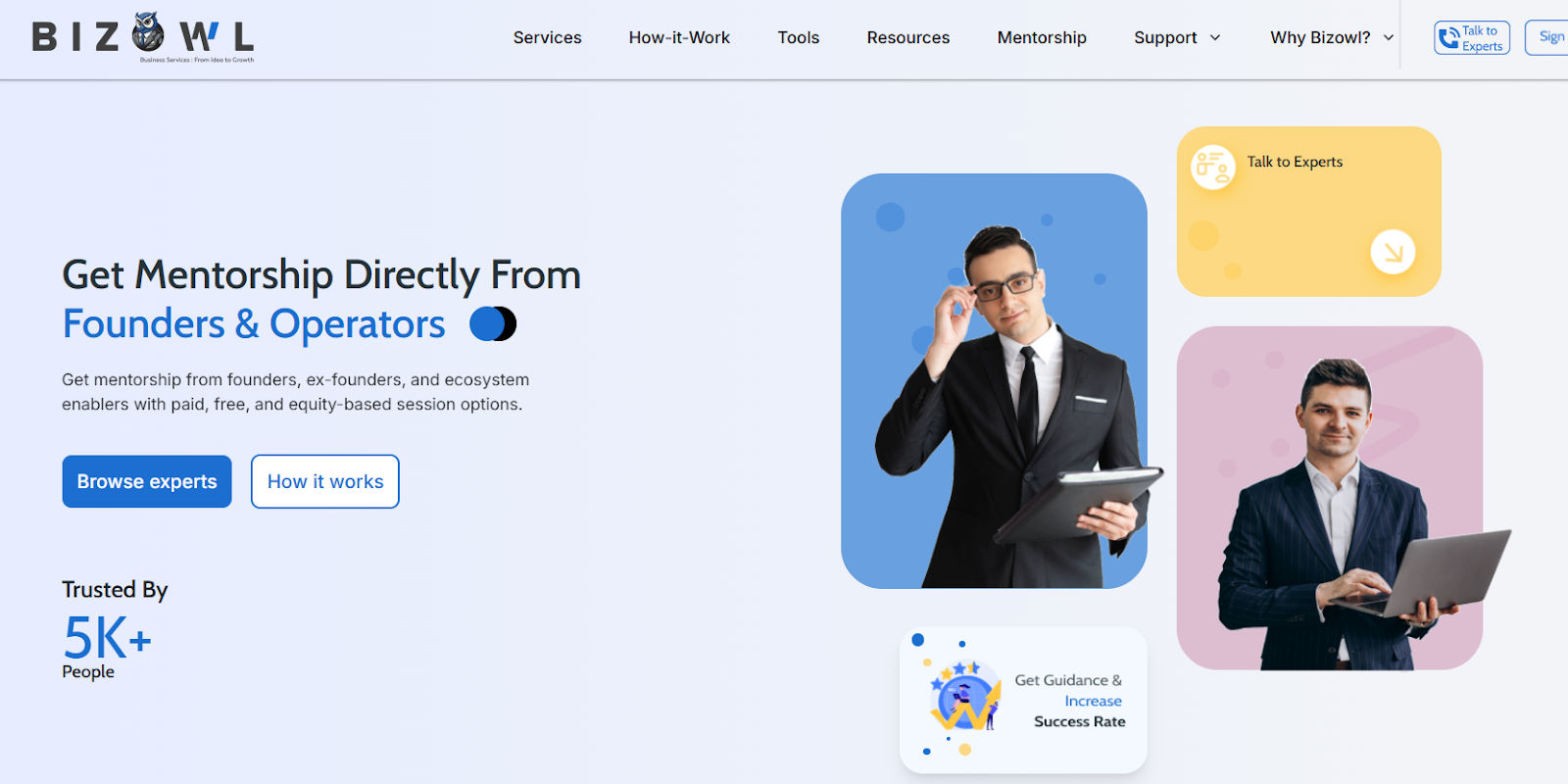
Look, I'm putting Bizowl first because it solves the biggest problem we just talked about the "everyone's a mentor" issue.
Here's how it actually works:
Start With Your Actual Problem Instead of browsing through 500 random mentor profiles, you search based on the specific challenge you're facing right now. Struggling with fundraising? Looking to crack your first enterprise sale? Figuring out pricing? Start there.
Find Someone Who's Actually Solved It Bizowl shows you mentors who have real experience with your exact problem. You can see:
- Their actual startup track record (founder, ex-founder, or early employee)
- Ratings and reviews from other founders they've helped
- What they're specifically good at
No fluff. No corporate folks pretending to understand startups. Just people who've been there.
Pick How You Want to Work Together This is where it gets interesting. You're not locked into one model:
- Free Sessions: Perfect for a quick sanity check or when you're just exploring
- Paid Consultation: When you need dedicated, structured time and want to ensure they're committed
- Equity-Based Advisory: For long-term mentorship where the advisor becomes a stakeholder in your success (this is huge they're literally invested in you winning)
Early-stage and bootstrapped? Start with free or low-cost options. Growing and need serious commitment? Go equity-based.
Why Bizowl is Different
Here's the important part: Bizowl doesn't let random people become mentors. They specifically onboard:
- Actual Founders or Ex-Founders: People who've built companies themselves
- Ecosystem Experts Folks who've worked closely with startups (like accelerator program managers, early unicorn employees, or serial advisors)
- People With Real Track Records: Mentors who've demonstrably helped other startups succeed
And here's what they explicitly DON'T have: 9-to-5 corporate employees with zero entrepreneurial experience giving startup advice.
That's the filter you need. Because if someone's never dealt with the chaos of a startup, they can't mentor you through it.
The Ecosystem Advantage
Beyond mentorship, Bizowl gives you access to:
- Vetted service providers (lawyers, accountants, developers who understand startups)
- Tools and templates for common startup needs
- A community of fellow founders for peer learning
- Resources for fundraising, hiring, scaling
So it's not just "find a mentor and good luck." It's your entire startup support system in one place.
MAARG: The Government's Free Mentorship Platform
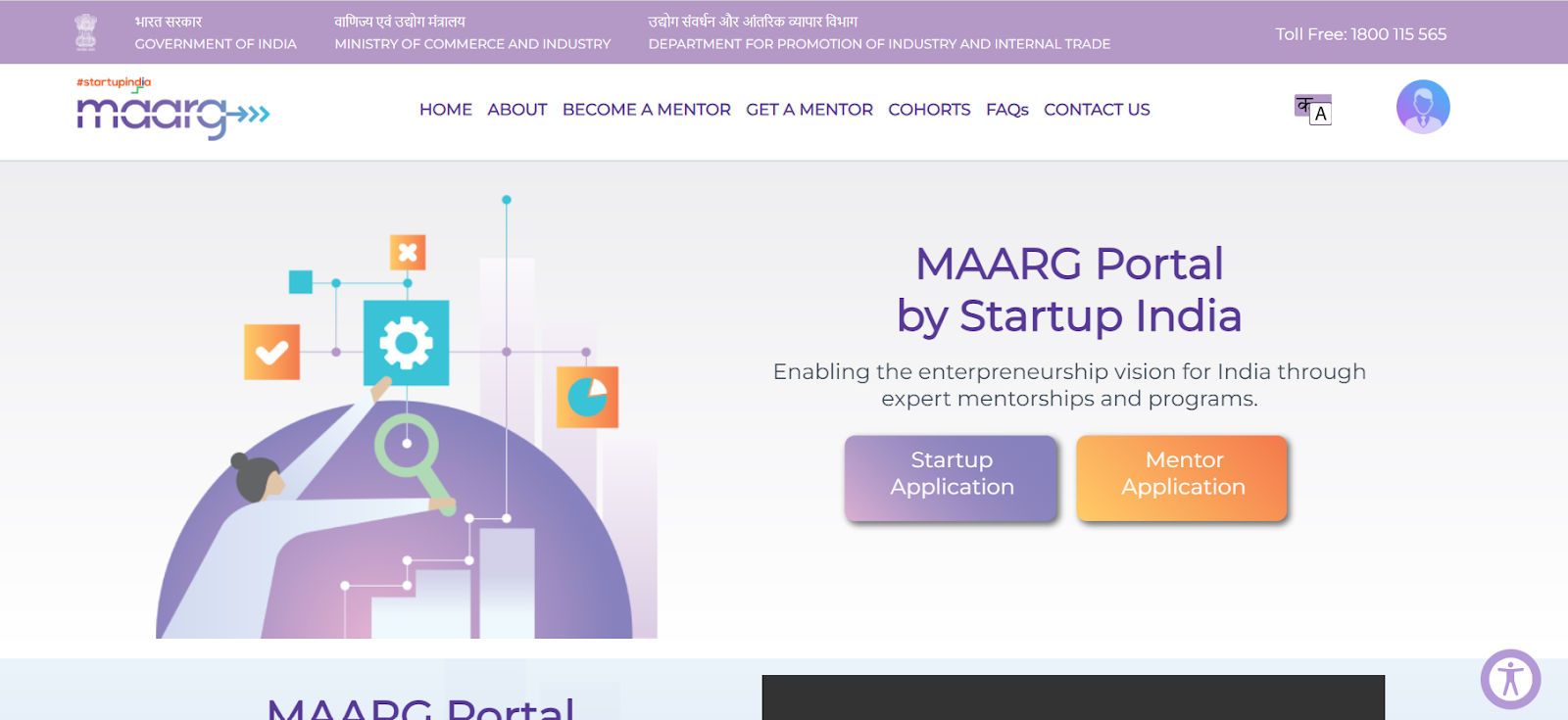
What It Is
MAARG(Mentorship, Advisory, Assistance, Resilience, and Growth) is the government's answer to startup mentorship. It's run under Startup India by DPIIT, and it's completely free.
How It Works
AI-Powered Matching: Instead of you randomly browsing, MAARG uses algorithms to match you with mentors based on your sector, stage, location, and specific challenges. The matching is surprisingly good better than just filtering by keywords.
Free Access: Zero cost. No hidden fees. This makes it perfect for early-stage startups where every rupee matters.
400+ Verified Mentors: The platform has a solid pool of mentors successful founders, investors, industry veterans from India and abroad. They're not just randos; they're vetted.
Structured Programs: Besides one-on-one mentorship, MAARG runs cohort-based programs with incubators and accelerators. These give you group mentorship, which can be great for peer learning.
Built-In Tools: Video calling, messaging, scheduling all inside the platform. No need to coordinate over WhatsApp or email.
The Catch
You need to be a DPIIT-recognized startup. If you're not registered under Startup India yet, you'll need to do that first (it's free and fairly straightforward, but there are eligibility criteria).
When MAARG Makes Sense
- You're bootstrapped or pre-revenue and can't afford paid mentorship
- You want credible, government-backed mentors
- You're okay with a more structured, formal framework
- You need mentors across multiple domains (tech, marketing, fundraising)
What to Watch Out For
- Response times can vary since it's free and mentors are volunteers
- Less flexibility compared to commercial platforms
- You're working within government processes (which can be slow sometimes)
Sayuj: STPI's AI-Powered Networking & Resource Discovery Platform
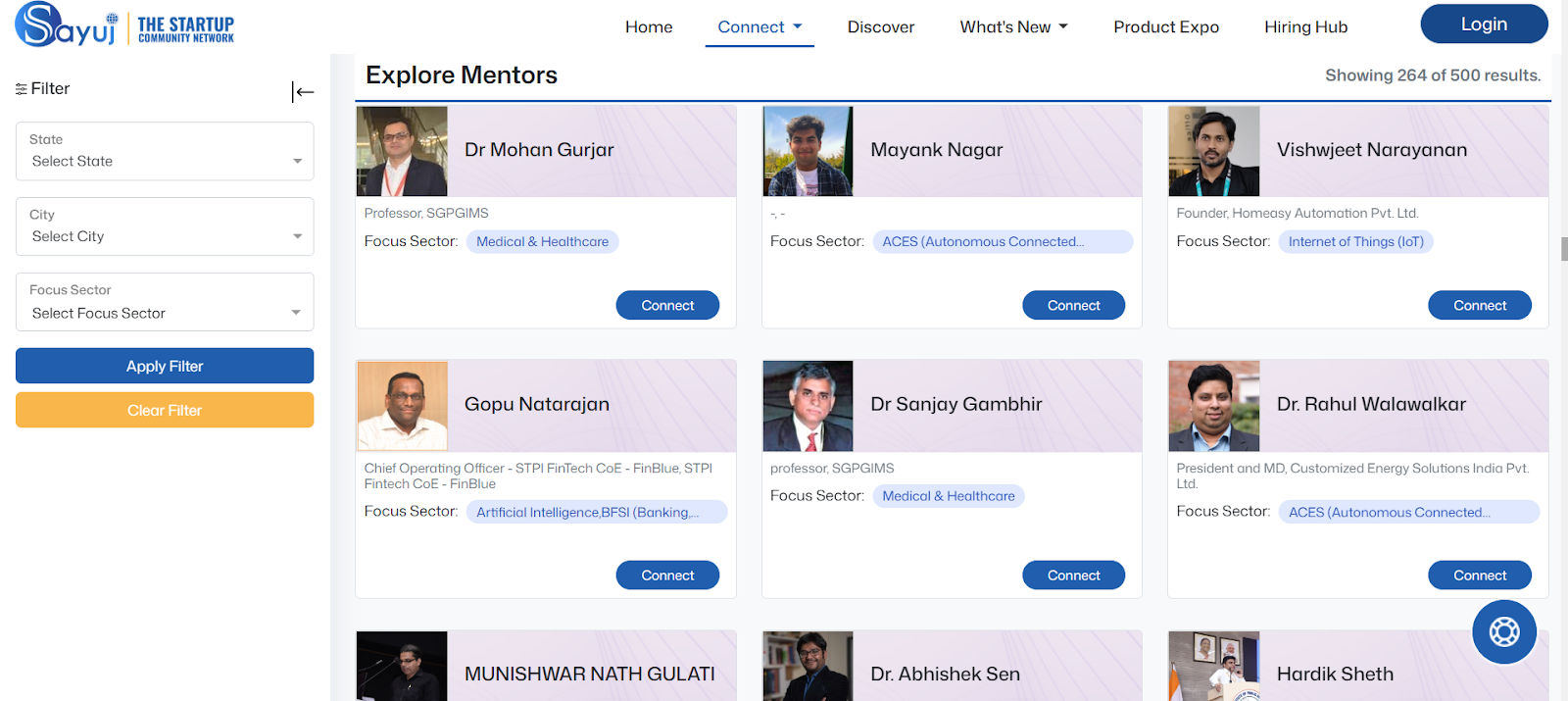
What It Is
Sayuj is India's first AI-powered networking and resource discovery platform built specifically for the startup ecosystem. It's developed by STPI (Software Technology Parks of India) under the Ministry of Electronics and IT so it's backed by the government but built with a modern, tech-forward approach.
The Big Problem It Solves
Here's the thing: over the last decade, India's startup ecosystem has exploded. We now have hundreds of incubators, accelerators, CoEs (Centers of Excellence), government schemes, investor networks, and support programs. That's great, right?
Except it's also become super fragmented. As a founder, you're left wondering:
- Which incubator is right for my sector?
- What government schemes am I eligible for?
- Where do I find mentors who understand deep tech vs D2C?
- Which investors are active in my space right now?
- What resources and programs even exist that I don't know about?
Sayuj exists to solve exactly this problem it's a unified platform that brings together ALL the stakeholders and resources in one place.
How Sayuj Works
Everyone's on One Platform: Startups, mentors, investors, incubators, accelerators, government bodies, industry experts, aspiring entrepreneurs everyone's connected on a single digital interface. Think of it like LinkedIn, but actually built for the startup ecosystem.
AI-Powered Discovery: Instead of manually searching through hundreds of profiles and programs, Sayuj uses AI to help you discover the right mentors, investors, programs, and resources based on your specific needs, sector, stage, and location.
Real-Time Collaboration: The platform fosters live knowledge sharing and collaboration. You're not just browsing profiles you're engaging in a real community where ideas, insights, and opportunities flow continuously.
Access to Everything Startup-Related:
- Pan-India startup contests and hackathons
- Central and state government schemes (so you know what funding/support you're eligible for)
- Mentorship opportunities with verified experts
- Investor connections across sectors
- Incubation and acceleration programs
- Events, workshops, and networking opportunities
Mobile App: Sayuj has both web and mobile apps (iOS and Android), so you can network and discover resources on the go.
What Makes Sayuj Unique
Government Backing with Startup Thinking: Being built by STPI means it has legitimacy, reach, and connections to government programs. But unlike typical government platforms, Sayuj is designed with a modern UX and focuses on real-time engagement.
Resource Discovery, Not Just Networking: Most platforms help you find people. Sayuj helps you find everything people, programs, schemes, contests, funding opportunities, and support services. It's comprehensive.
Pan-India Reach: STPI has centers across India, which means Sayuj connects you to opportunities beyond just the Bangalore-Mumbai-Delhi triangle. Whether you're in Tier 2 or Tier 3 cities, you get access to the same ecosystem.
Focus on All Stakeholders: Unlike platforms that only serve startups or only serve investors, Sayuj brings everyone together. This creates a genuine ecosystem where connections happen organically.
Showcasing Opportunities: STPI regularly showcases startups on Sayuj at major tech events like the 60 startups featured at Bengaluru Tech Summit 2024 or the 40 startups at UMAGINE TN 2025. Being active on Sayuj can give you visibility at these events.
Access to STPI Infrastructure: Through Sayuj, you can also get connected to STPI's Centres of Entrepreneurship (like OctaNE CoE for emerging tech, IoT OpenLabs, etc.) that provide state-of-the-art infrastructure, lab access, and technical support.
Who Should Use Sayuj
Honestly? Every startup in India should at least be on Sayuj. It's free, it's government-backed, and it connects you to resources you might not even know exist.
Specifically great for:
- Early-stage founders looking to discover what support is available
- Startups in Tier 2/3 cities who need access to mentors and investors beyond their immediate geography
- Deep tech or hardware startups who can benefit from STPI's CoEs and technical infrastructure
- Founders navigating government schemes and want to know what they're eligible for
- Anyone who wants to participate in contests/events to gain visibility
What to Keep in Mind
- It's a networking and discovery platform, not a one-on-one mentorship booking system like Topmate or Expertbells. You connect and then take conversations forward.
- Being government-backed means processes might be more structured compared to commercial platforms.
- The platform is still relatively new (launched recently), so the community is growing. Jump in early to be part of the foundation.
Expertbells: When You Need Targeted, Paid Expertise
What It Is
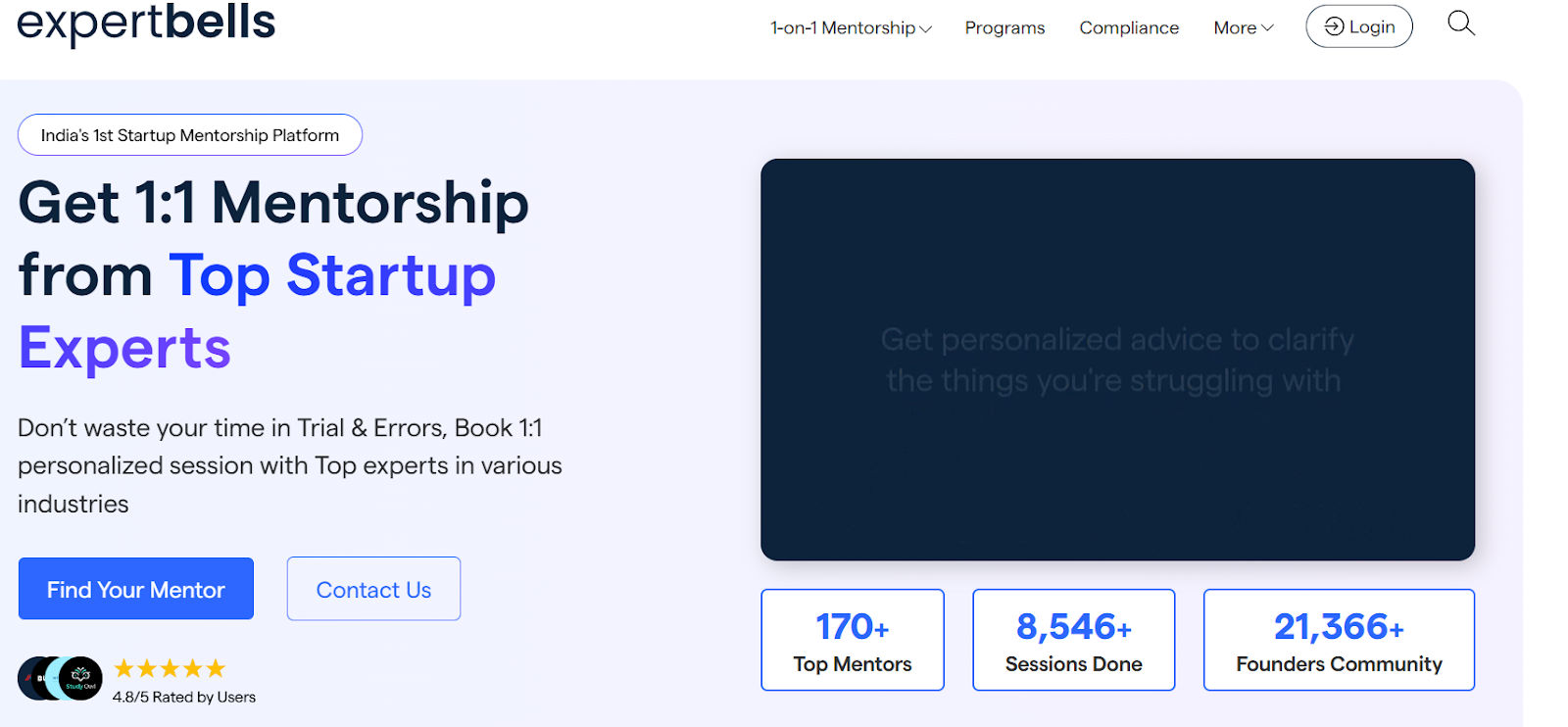
Expertbells is India's one-on-one mentorship platform where you pay for sessions with experienced professionals. Think of it like consulting, but more accessible and affordable.
How It Works
Browse by Expertise: Mentors are organized by categories Idea Validation, Growth Strategy, Fundraising, Digital Marketing, Sales, E-commerce, etc. You find someone based on what you need help with.
Check Their Background: Each mentor has a profile with their experience, testimonials from other founders, and areas of expertise. Read reviews before booking.
Buy Sessions: Mentors offer packages single sessions or multi-session bundles. Pricing varies (some charge ₹2,000/session, others charge ₹10,000+, depending on their experience).
Get on a Call: Book a time, hop on a video call, and get focused advice on your specific problem.
What Makes It Valuable
Personalized Attention: It's truly one-on-one. The entire session is about your startup and your challenge. No generic webinar advice.
Experienced Folks: Most mentors have 12+ years of experience. Many are founders, VCs, or senior operators who've worked with multiple startups.
Flexible Pricing: Different mentors charge different rates, so you can find someone within your budget.
Session Guarantees: If there's a technical issue or the session doesn't happen, they'll reschedule or refund.
When Expertbells Works
- You have a specific, tactical question (like "how do I structure my cap table?" or "what should my pricing be?")
- You're willing to pay for quality advice
- You don't need ongoing mentorship just targeted input
What to Keep in Mind
- Every session costs money (no free tier)
- It's more transactional than relationship-based
- No equity-based options for long-term advisory
Best for: Founders who need quick expert input on specific challenges and have budget for paid consulting.
Topmate: Quick Answers When You Need Them Fast
What It Is
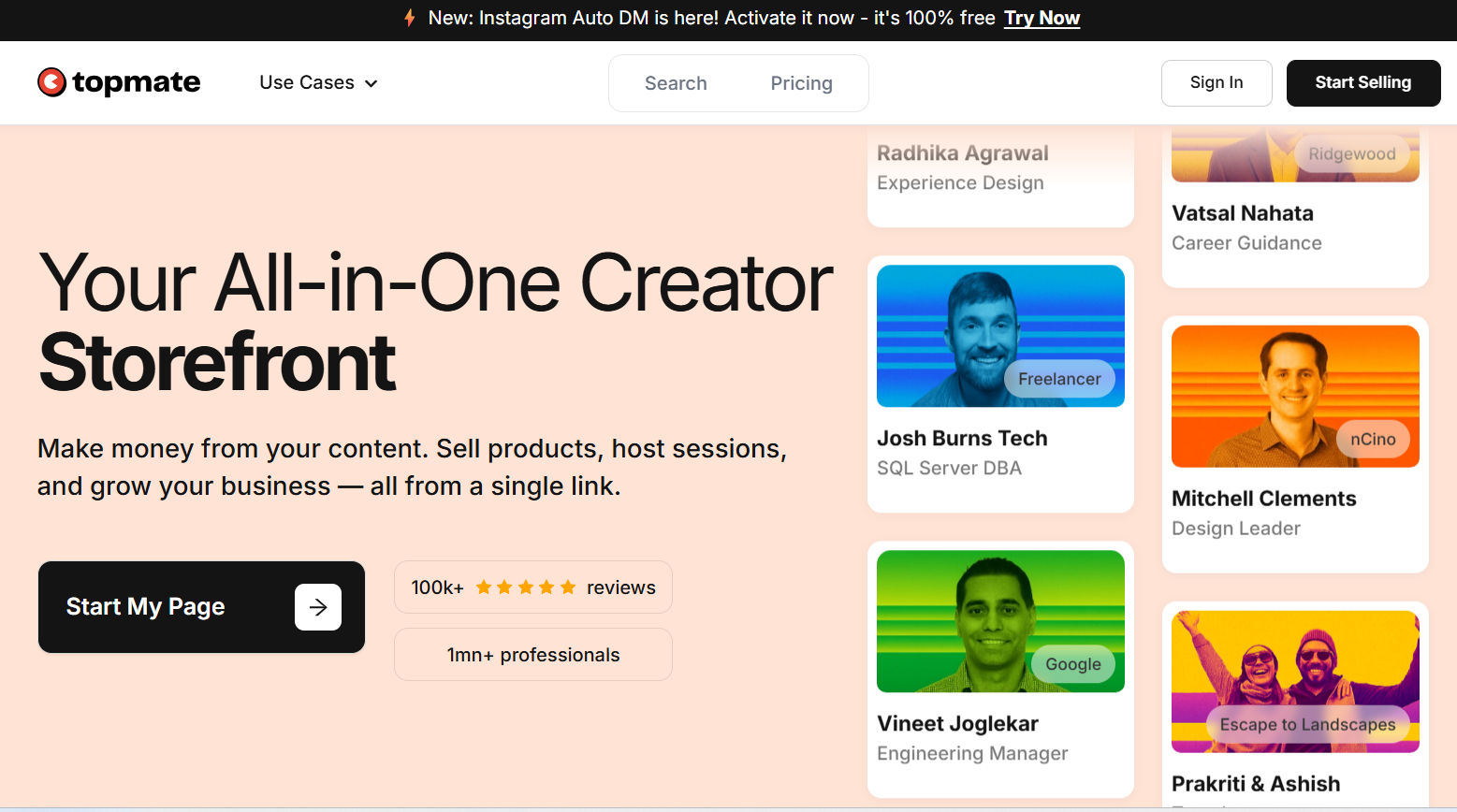
Topmate is the "instant mentor access" platform. You can book short calls (as quick as 10 minutes) with experts and get rapid feedback. It's like the Blinkit of mentorship fast and on-demand.
How It Works
Find Your Expert: Browse through thousands of professionals founders, product managers, growth marketers, designers, data scientists, and more. Filter by expertise and ratings.
Pick a Service: Experts offer different things:
- 10-minute quick calls for rapid advice
- 30-60 minute deep dives
- Resume reviews, mock interviews, cohort programs
- Some even offer free intro sessions
Book Instantly: See their availability, book a slot, and you're done. During peak hours (6-10 PM), you can often get connected within minutes.
Get Real-Time Guidance: Jump on the call, ask your questions, get answers, and move forward.
Why Topmate is Useful
Speed: When you need an answer today like before an investor meeting tomorrow Topmate delivers. The quick-call feature is genuinely helpful.
Huge Network: 300,000+ professionals, 1+ million users, 4.9-star rating. You've got options.
Flexibility: No long-term commitments. One call for one problem. Done.
Affordable Options: Many experts charge ₹500-₹2,000 for 10-30 minute calls, making it accessible.
When Topmate Makes Sense
- You need quick validation on an idea or decision
- You want feedback on a pitch deck before sending it to investors
- You're looking for tactical advice, not strategic mentorship
- You prefer on-demand help over structured programs
The Downsides
- Quality varies widely (it's open to everyone, so you'll find both amazing mentors and mediocre ones)
- It's not startup-specific many mentors focus on career advice for job seekers
- 10-minute calls are great for quick questions but not enough for complex strategy discussions
- The "anyone can be a mentor" problem exists here too
Best for: Founders who need fast, tactical feedback and are comfortable vetting mentors based on reviews. Not ideal for ongoing, deep mentorship.
Unstop: For Student Founders and Early Career Entrepreneurs
What It Is
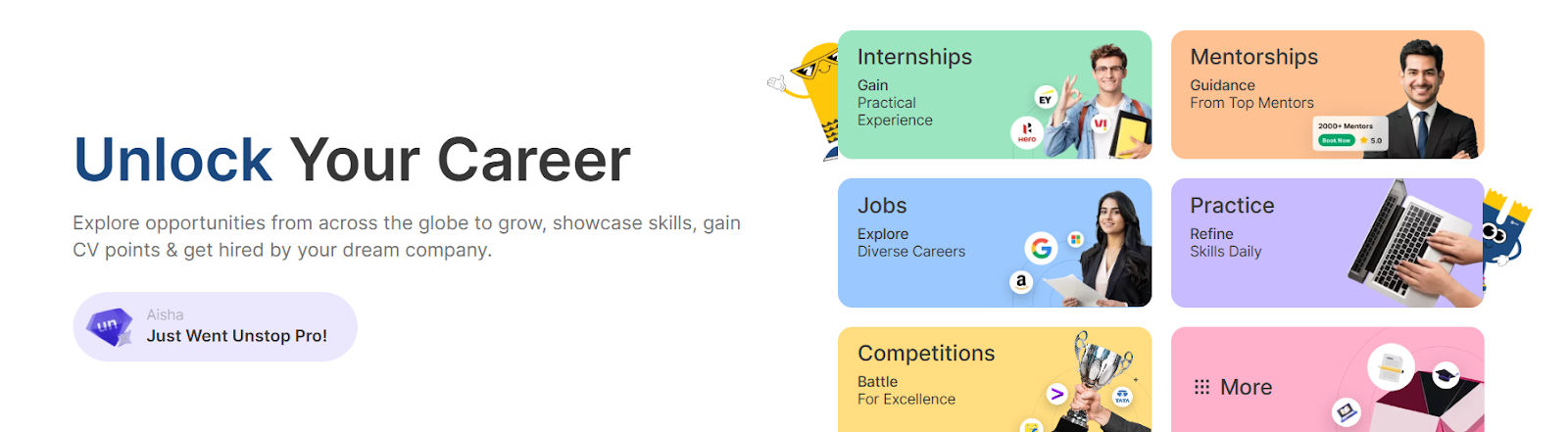
Unstop (formerly Dare2Compete) is massive 28 million users. It started as a platform for hackathons and campus hiring but has evolved into a full ecosystem with mentorship, jobs, competitions, courses, and skill-building.
How Mentorship Works Here
1,700+ Mentors from Top Institutions: Think IITs, IIMs, ISB, plus mentors from Google, Microsoft, Amazon, Meta. The platform emphasizes credentials heavily.
Browse and Book: Similar to other platforms check profiles, read reviews, book sessions. Some mentors offer free intro sessions, others are paid.
Beyond Mentorship: You also get:
- 50+ courses (tech and non-tech)
- Hackathons and case competitions where you can apply what you learn
- Coding practice and skill assessments
- Mock interviews and resume reviews
- Hiring opportunities with 800+ companies (Flipkart, Amazon, Reliance, Walmart, etc.)
Why Unstop Can Be Valuable
Holistic Ecosystem: It's not just mentorship. You can learn, practice, compete, network, and even find talent all in one place.
Credibility: Mentors from top companies and institutions give it legitimacy. Plus, appearing on Shark Tank India S2 added visibility.
Great for Student Founders: If you're building your first startup while in college or just after graduation, Unstop's vibe fits you well.
Community of 28M: Networking opportunities beyond just mentors potential co-founders, early employees, fellow founders.
What to Watch Out For
- It's not startup-exclusive. Many users are students looking for jobs, not founders.
- Mentor experience levels vary some are highly experienced founders, others are early-career folks sharing initial learnings.
- The platform's strength is campus hiring and learning, not necessarily startup advisory.
- Getting time with top mentors can be competitive given the huge user base.
Best for: Student entrepreneurs, first-time founders in their early 20s, or startups focused on hiring campus talent. If you need deep startup strategy from seasoned entrepreneurs, other platforms might be better.
So Which Platform Should You Actually Use?
Look, there's no one-size-fits-all answer. It depends on where you are and what you need.
Go with Bizowl if: You want vetted founders and ecosystem experts who've actually built companies. You're tired of generic advice from people who've never dealt with startup chaos. You need flexible engagement (free, paid, or equity-based) and want access to a full ecosystem not just mentorship.
Go with MAARG if: You're a DPIIT-recognized startup, you're bootstrapped or pre-revenue, and you want free mentorship with government backing. It's structured and credible, perfect if you don't have budget for paid options.
Go with Expertbells if: You have specific questions and are willing to pay for quality one-on-one time. Great for targeted consulting like "help me figure out my fundraising strategy" or "review my go-to-market plan" rather than ongoing mentorship.
Go with Topmate if: You need quick answers fast. Perfect for rapid validation, pitch deck feedback, or tactical decisions. Not ideal for deep, ongoing strategic guidance.
Go with Unstop if: You're a student founder or early professional building your first startup. You want mentorship plus learning, skill-building, competitions, and hiring opportunities all bundled together.
Go with Sayuj if: You want to discover the full range of startup resources available in India mentors, investors, government schemes, incubators, contests, and more all on one AI-powered platform. Perfect for accessing STPI's infrastructure and staying connected to pan-India opportunities beyond major metro cities
Pro tip: You don't have to pick just one. Use MAARG for free strategic advice, Topmate for quick tactical questions, and Bizowl when you need serious, committed mentorship from someone who's been there.
Final Thought: Stop Looking for Perfect, Start Building Relationships
Here's the reality finding a mentor isn't like hiring an employee. It's more like making a friend. You don't just send a cold email and boom, you have a mentor. It takes time, multiple conversations, and genuine connection.
The best mentorship relationships I've seen start small:
- A helpful intro
- A short call to ask advice
- Following up with what you did with that advice
- Staying in touch over time
Eventually, that person becomes invested in your journey. Not because you asked them to be your "official mentor," but because they've watched you take their advice, learn from mistakes, and keep pushing forward.
So yeah, use these platforms. But remember mentorship is ultimately about trust, respect, and mutual value. Find people who've walked the path you're on, who are willing to share honestly, and who genuinely care about seeing you succeed.
And when you find that person? Show up prepared, follow through on their advice, update them on your progress, and don't waste their time. Good mentors are giving you their scarcest resource their experience and attention. Honor that.
Now stop reading and go find your mentor. You've got a business to build.
Want help applying this to your startup?
Talk to a Bizowl expert for 15 minutes, free. We'll look at where you are and tell you honestly what to do next, whether or not you work with us.


